Rectus abdominis diastasis does not only affect women after pregnancy.
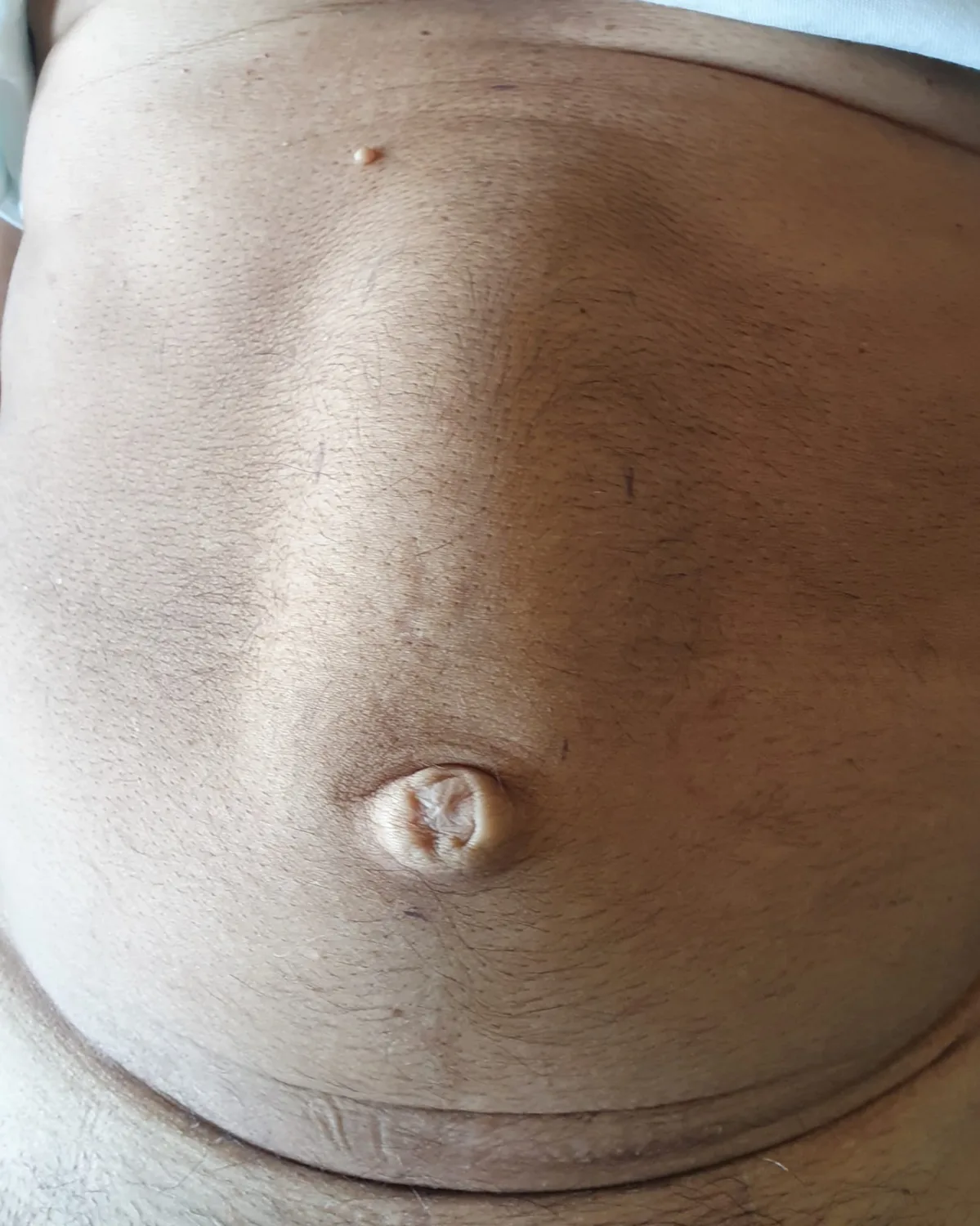
It can also occur in men and present as a central bulge of the abdomen, a feeling of weakness in the abdominal wall or in association with umbilical and epigastric hernias.
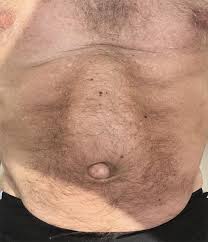
- getting up from lying down
- during abdominal exercises
- lifting a weight
- coughing
- during intense physical activity
Why does it occur in men?
In men, diastasis can be favoured by several factors:
- 01excess weight or obesity
- 02chronically increased intra-abdominal pressure
- 03major weight changes
- 04intense physical activity
- 05repeated lifting of loads
- 06individual predisposition
- 07midline hernias
- 08previous abdominal surgery
It is not always possible to identify a single cause.
Functional impact
The abdominal wall contributes to trunk stability and to the correct distribution of forces between the abdomen, spine, diaphragm and pelvic muscles.
- a feeling of abdominal weakness
- reduced trunk stability
- low back pain
- difficulty with exertion
- increased abdominal bulging
- aesthetic discomfort
- associated hernias
Diastasis and hernia in men
In men, diastasis is frequently associated with an umbilical or epigastric hernia.
When they coexist, treating the hernia defect alone is not enough.
The assessment must consider the entire midline, because the problem may be more extensive than the visible hernia alone.
Gym and diastasis: do I have to stop training?
Not necessarily.
Physical activity is not forbidden with diastasis, but some exercises can significantly increase intra-abdominal pressure and make the midline bulge more evident.
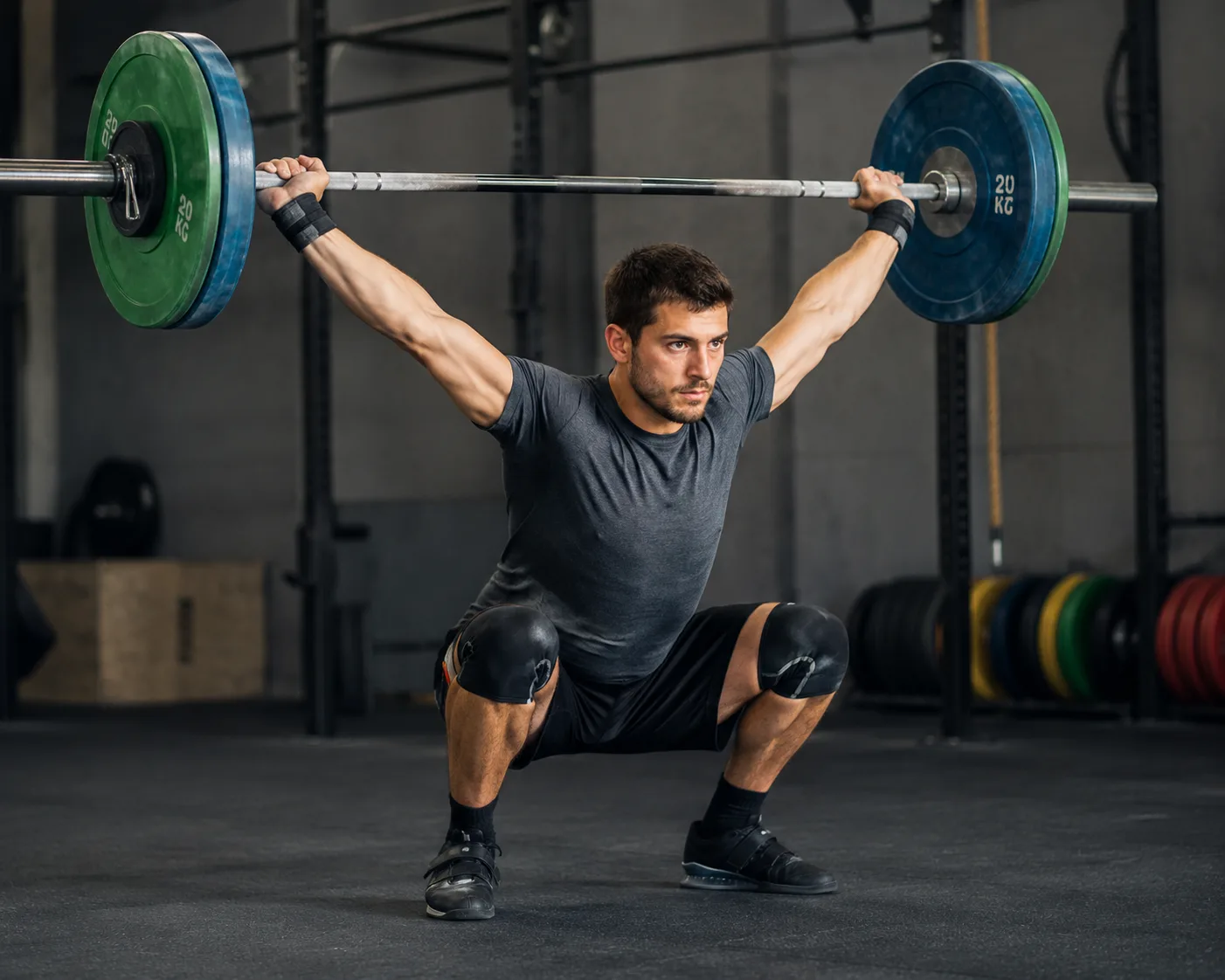
The issue is how pressure is managed during exertion.
With a significant diastasis it can be helpful to:
- 1correct breathing during exercises
- 2avoid manoeuvres that excessively increase abdominal pressure
- 3improve core control
- 4work on coordination between the diaphragm and deep muscles
- 5temporarily adapt some exercises
A targeted rehabilitation programme can be useful, especially in early forms.
Learn morePhysiotherapy for diastasisWhen should surgery be considered?
Surgery is considered in the presence of:
- significant and persistent diastasis
- functional symptoms
- an associated umbilical or epigastric hernia
- progressive worsening of the defect
- significant aesthetic discomfort
- limitations in physical or work activity
- previous treatment without sufficient benefit
The whole anatomy of the wall and the patient’s needs must be assessed.
What if I am overweight?
Excess weight is a risk factor to be eliminated before abdominal wall reconstruction surgery.
The goal is to reach the operation in the best possible condition.
Learn moreWhich risk factors should be eliminated?Diastasis, hernia and aesthetic result
In men too, appearance can matter.
Midline reconstruction is performed with minimally invasive techniques to optimise the functional and aesthetic result.
Learn moreMinimally invasive surgeryIf needed, functional reconstruction can be combined with aesthetic remodelling of the abdominal wall performed by the plastic surgery team.
Learn moreHow to achieve the best aesthetic result?Frequently asked questions
Does abdominal diastasis also affect men?
Yes. It is less common than in women, but it can also occur in men, often in association with excess weight, increased abdominal pressure or midline hernias.
Can going to the gym cause diastasis?
Physical activity alone is not necessarily the cause. However, exercises performed with high intra-abdominal pressure can make a pre-existing weakness of the midline more evident or worsen it.
Does diastasis in men always need surgery?
No. The indication depends on severity, symptoms, the presence of hernias and the functional or aesthetic impact.
Have you noticed a central bulge of the abdomen or do you suspect diastasis?
A specialist assessment of the abdominal wall makes it possible to distinguish diastasis from a hernia or a simple abdominal bulge and to choose the most appropriate pathway.