First consultation and clinical examination
The first consultation is the first meeting with the patient: a time for listening and assessment, during which the clinical history is reconstructed and the information needed to understand the abdominal wall problem is collected.
Clinical examination
The defect is assessed objectively, without limiting observation to the area reported by the patient: the examination covers the entire abdominal wall.
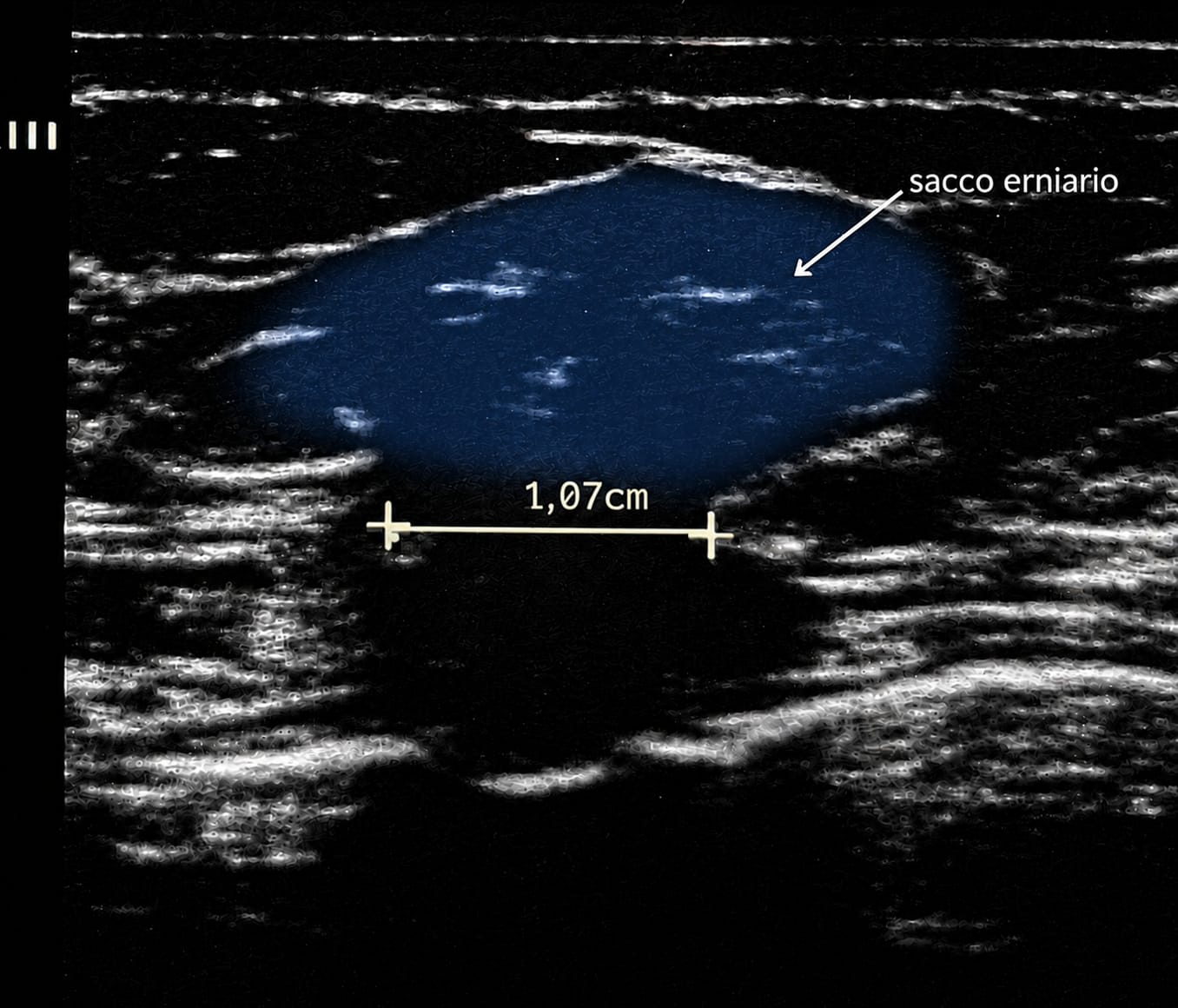
Abdominal wall ultrasound
It completes the initial assessment and makes it possible to evaluate precisely:
- size of the defect
- position of the defect
- associated rectus diastasis
- other midline hernias
Second-level diagnostic investigations
For large, recurrent, multiple or complex defects, a CT or MRI scan without contrast may be required during straining, using a Valsalva manoeuvre, to identify even the smallest defects.
Large, recurrent, multiple or complex defects.
In women with associated pelvic symptoms, the study may need to be completed with defecography MRI.
Surgery is only one part of the pathway
In abdominal wall surgery, choosing the correct operative technique is not enough.
The outcome also depends on the patient's condition before surgery, control of risk factors, anaesthetic management, postoperative recovery and the reconstructed wall's ability to function correctly again.
For this reason, the pathway is built before surgery and continues after discharge, according to the condition, type of reconstruction, general health and the patient's goals.
The aim is not only to repair a hernia or correct rectus diastasis, but to achieve a stable reconstruction and support the patient's functional recovery.
Before surgery: reaching the operation in the best possible condition
Preoperative preparation makes it possible to identify and, where possible, correct factors that can increase the risk of complications, wound problems or reconstruction failure. The pathway may therefore begin weeks or months before surgery.

Smoking
Smoking
Smoking interferes with microcirculation and tissue healing. Stopping before surgery is therefore an important part of surgical preparation.
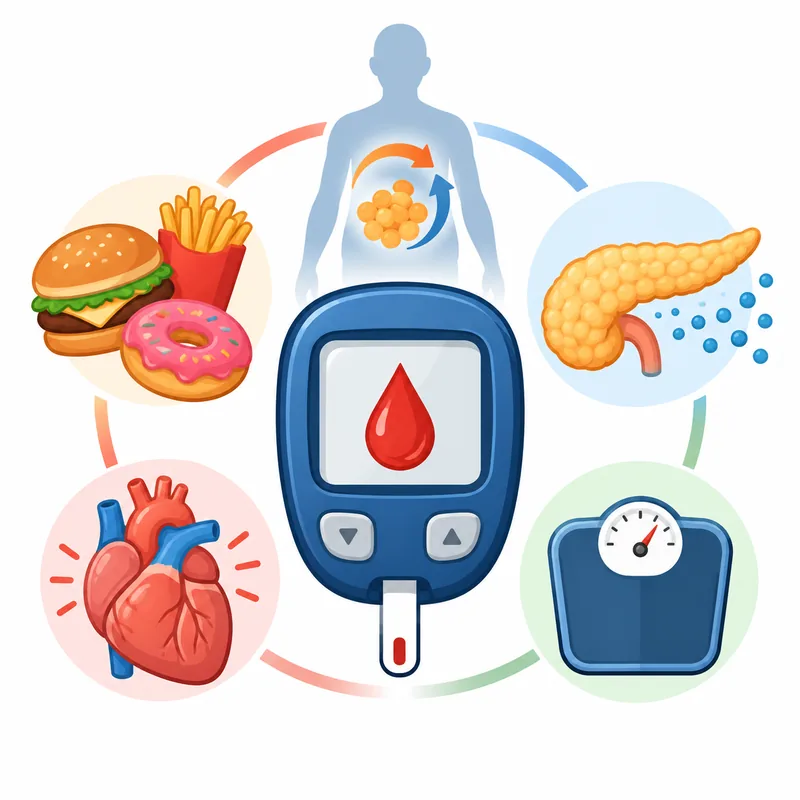
Diabetes
Diabetes
Inadequate blood glucose control can increase the risk of infection and impaired healing. In patients with diabetes, the pathway therefore includes optimisation of metabolic control before surgery.

Arterial hypertension
Arterial hypertension
Blood pressure must be adequately controlled before surgery. It is important for anaesthetic and perioperative safety and is included in the patient's overall preparation.

Overweight and obesity
Overweight and obesity
Body weight is particularly relevant in abdominal wall surgery. Excess weight can increase stress on the reconstruction and be associated with greater surgical complexity and wound complications.
When weight loss is indicated, the patient is referred to a dedicated team of nutritionists and endocrinologists, who create a personalised programme to lose the weight needed for surgery and maintain it after the operation. Nutritional care does not necessarily end with surgery: maintaining weight and metabolic control also helps protect the long-term result.
Before surgery
Preoperative anaesthetic assessment and possible botulinum toxin injections
An anaesthetic assessment is scheduled before surgery. The anaesthetist reviews:
Anaesthetic management is then personalised according to the operation, surgical technique and the patient's condition.
Botulinum toxin injections
When necessary, injections are made into the lateral abdominal muscles. This temporarily relaxes the muscles, helping the hernia defect to be closed without tension and protecting the repair after surgery.
Before surgery
Assessment with the plastic surgeon
Functional abdominal wall correction and aesthetic improvement of the abdomen are different aspects, but they can be planned within the same pathway.
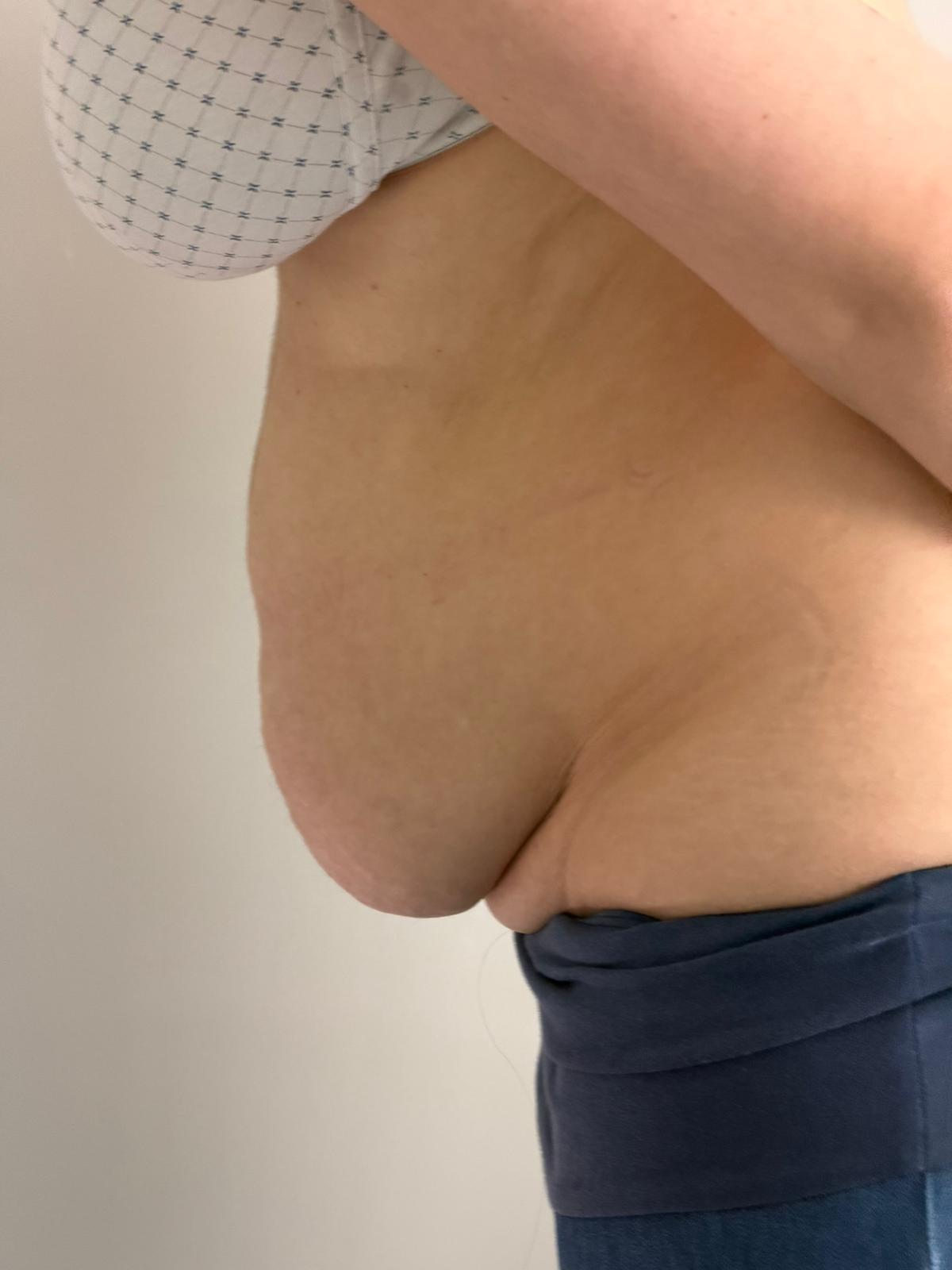
When the patient also wishes to address excess skin, adipose tissue, abdominal contour, breasts or scars, an assessment with the plastic surgeon can be scheduled before surgery.
Function and aesthetics can be addressed in the same pathway, but they must be planned together before surgery.
Surgery and discharge
Once preparation is complete, the surgical strategy is defined. The choice depends on:
Treatment may be open, laparoscopic or robotic, selecting the most suitable anatomical plane and technique for each case.
The surgical aim is not only to close the defect, but to achieve anatomical and functional reconstruction of the wall, treating associated hernias and positioning the mesh in the most appropriate plane.
When plastic surgery has also been planned, it is performed
during the same operative session, immediately after the reconstructive procedure.
Immediate recovery and discharge
The patient can eat and mobilise.
The patient will be discharged home with all necessary instructions.
Discharge instructions cover
- pain control
- dressings
- work
- physical activity
- rehabilitation
- surgical reviews
After surgery
Postoperative abdominal-pelvic rehabilitation

Surgery reconstructs anatomy. Rehabilitation must help the patient use the reconstructed abdominal wall correctly.
After months or years with a hernia, incisional hernia or diastasis, muscles may have developed compensations, altered breathing patterns and incorrect management of abdominal pressure. Anatomical correction alone therefore does not necessarily complete functional recovery.
Abdominal-pelvic synergy in women
The abdominal wall, diaphragm and pelvic floor work together to manage intra-abdominal pressure. In women, particularly after pregnancy, diastasis, hernias or pelvic floor conditions, this abdominal-pelvic synergy may need to be restored.
When physiotherapy begins
After most midline reconstructions, the structured pathway generally begins around postoperative day 50, while timing and exercises are adapted to the procedure and individual healing.
There is no single protocol that is the same for everyone.
A programme built around the individual
The programme is adjusted according to:
Progressively recover strength, coordination and correct effort management while avoiding early overload of the reconstruction.
Follow-up: monitoring the result over time
In abdominal wall surgery, it is important to assess the reconstruction in the medium and long term, with additional reviews according to the patient's needs.
Long-term follow-up assesses not only the presence or absence of recurrence, but also functional recovery.
A multidisciplinary pathway
Abdominal wall surgery can therefore involve several professionals within the same pathway.
Not every patient needs all these professionals. The aim is to involve only the specialists who are genuinely useful for that patient, creating a pathway proportionate to the condition and individual needs.
Frequently asked questions
Why is preparation important before hernia or diastasis surgery?
Because conditions such as smoking, uncontrolled diabetes, excess weight and other comorbidities can increase perioperative risk and impair healing. Where possible, they are therefore corrected before surgery.
Is it necessary to lose weight before surgery?
Not always. It depends on BMI, fat distribution, the type of defect and the planned operation. When indicated, the patient may be supported by nutritionists and endocrinologists before surgery.
Can plastic surgery be combined with hernia or diastasis repair?
Yes, in selected patients. Abdominoplasty, mini-abdominoplasty, liposuction or other procedures may be combined when clinically appropriate and planned in advance with the plastic surgeon.
When does rehabilitation begin after surgery?
After many abdominal wall reconstructions, the structured programme can begin around day 50, but timing is personalised according to the operation and healing.
Why is abdominal-pelvic rehabilitation important?
Because surgery corrects anatomy, while rehabilitation helps the abdominal wall recover coordination, breathing, pressure control and synergy with the pelvic floor.
How long does follow-up last?
For abdominal wall reconstructions, it is useful to continue reviews over time. In the proposed pathway, reviews are scheduled at 6 months, 1, 2, 3 and 5 years.
Do all patients follow the same pathway?
No. Preparation, surgical technique, any nutritional or plastic surgery support, rehabilitation and review timing are adapted to each case.