On this page
An inguinal hernia is a defect in the abdominal wall located in the groin region. Preperitoneal fat, omentum or a section of bowel may protrude through this weak point.
Inguinal hernia and sport
In athletes symptoms may occur during running, core exercises, squats, weightlifting, changes of direction or explosive movements. However, not all groin pain in athletes is caused by a hernia: muscles, tendons, the hip joint or other structures in the groin region may be involved.
The consultation must therefore establish
- Whether this is a true hernia
- Whether the defect is unilateral or bilateral
- Which surgical approach may allow effective repair and a gradual return to physical activity
What is an inguinal hernia?
The groin region is a complex anatomical area traversed by the spermatic cord in men and by the round ligament of the uterus in women.
When one of the supporting structures of the wall loses strength, abdominal contents may protrude through the inguinal canal and form a hernia.
The defect may be present on one side only or affect both groin regions.
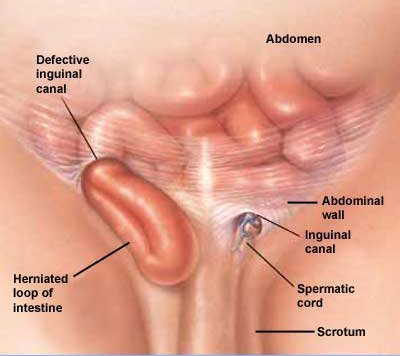
What does an inguinal hernia contain?
The contents may include:
The visible bulge does not necessarily reflect the actual size of the defect.
Direct and indirect inguinal hernia
Indirect hernia
Follows the course of the inguinal canal through the deep inguinal ring. It may be associated with an anatomical predisposition present from birth, even if it only becomes apparent in adulthood.
Direct hernia
Develops through an area of weakness in the posterior wall of the inguinal canal and is more commonly acquired.
This distinction is primarily anatomical and is established during investigations or surgery.
Inguinal and femoral hernia: what is the difference?
These two hernias occur in neighbouring regions but pass through different anatomical points.
Inguinal hernia
Develops above the inguinal ligament, through the inguinal canal.
Crural or femoral hernia
Appears lower down, through the femoral canal, and is often less apparent on superficial examination. More common in women.
The distinction is important because a femoral hernia has different anatomical features and risks of complications.
Why does an inguinal hernia develop?
Hernia development generally depends on the interaction between anatomical predisposition, tissue quality and stresses applied to the wall.
Frequently associated conditions may include:
Can sport cause an inguinal hernia?
Intense training and weightlifting temporarily increase pressure within the abdomen and represent a risk factor for the development of inguinal hernias.
Inguinal hernia in athletes
Symptoms may occur during:
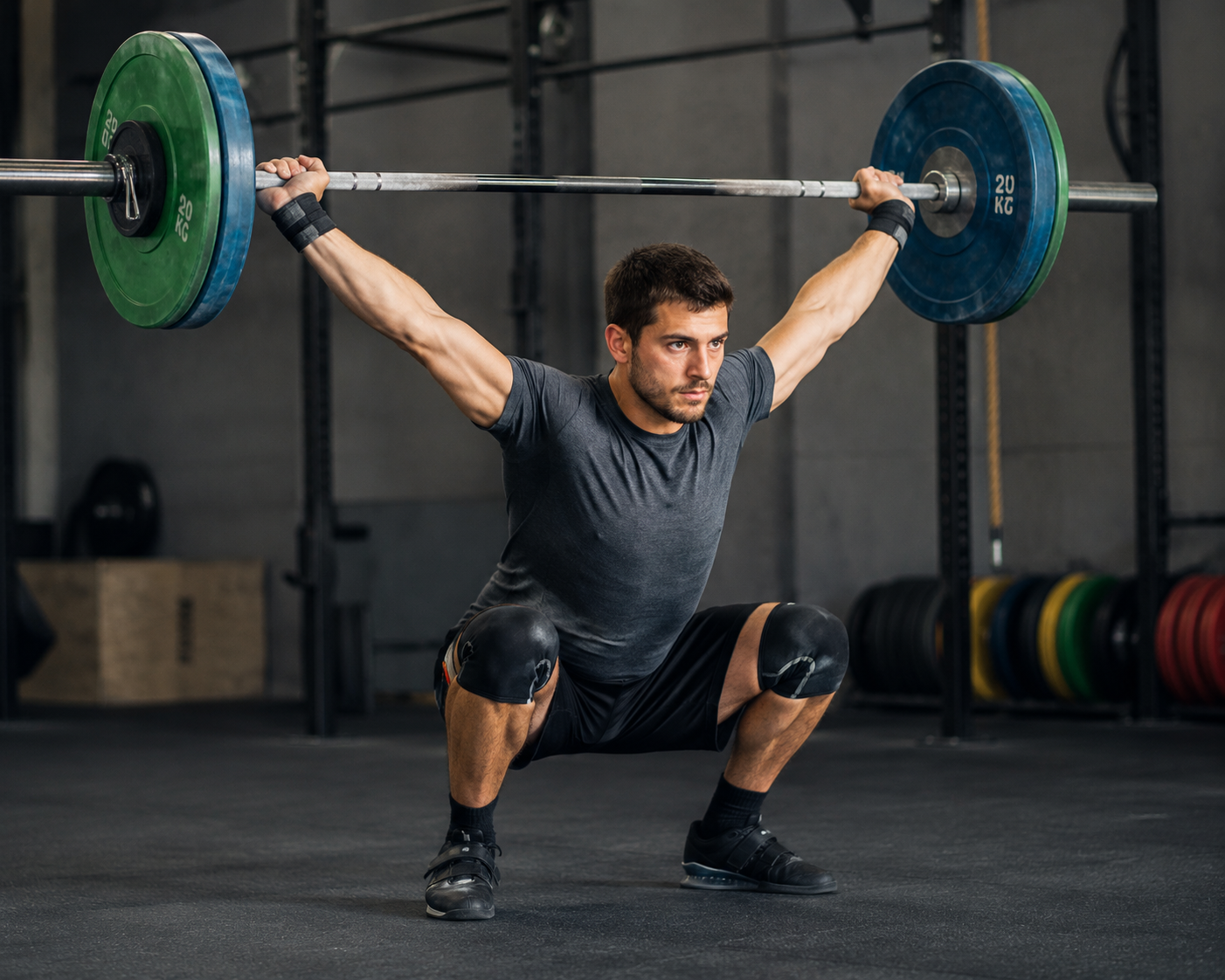
The patient may report:
- Pinpoint or diffuse groin pain
- Feeling of heaviness after training
- Burning in the groin
- Discomfort that increases with coughing or straining
- Pain during acceleration
- Difficulty performing explosive movements
- Swelling visible only after activity
- Pain radiating to the testicle
- Pain easing at rest
Groin pain does not always mean a hernia
The groin region can be affected by various disorders.
The differential diagnosis may include:
Groin pain during sport
Persistent or recurrent pain should not automatically be attributed to muscle tightness or "pubalgia". A surgical consultation can establish whether a true hernia defect is present and whether further investigations are needed.
What are the symptoms of an inguinal hernia?
Asymptomatic
The hernia causes no symptoms and is identified during a consultation or an investigation performed for other reasons.
Symptomatic
The hernia causes symptoms of varying severity, reported mainly during exertion or physical activity.
- Bulge in the groin
- Increased swelling when standing
- Appearance during coughing or straining
- Reduction in the bulge when lying down
- Pain or discomfort
- Feeling of heaviness
- Burning
- Tightness
- Pain radiating to the testicle
- Difficulty during daily activities or sport
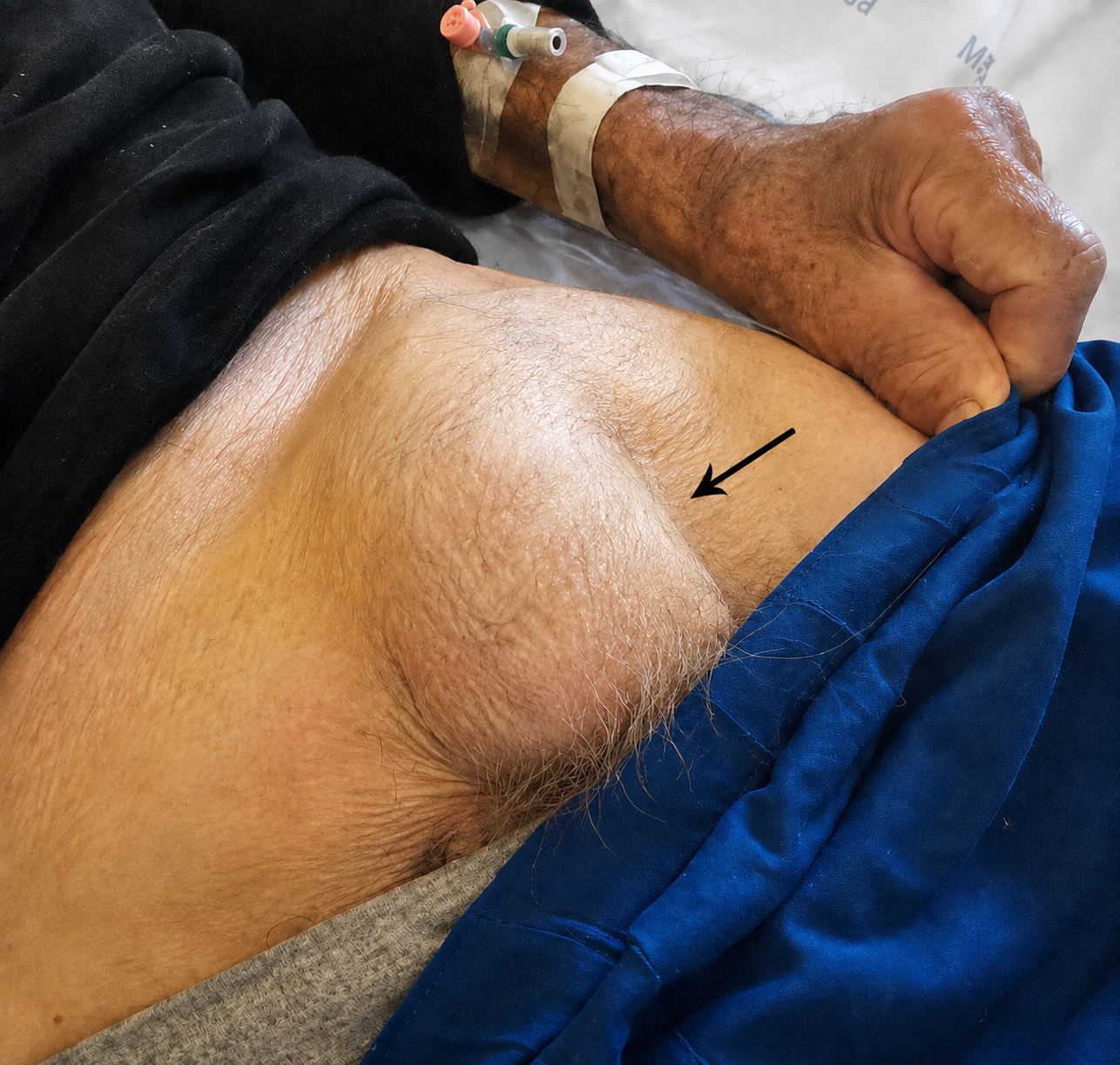
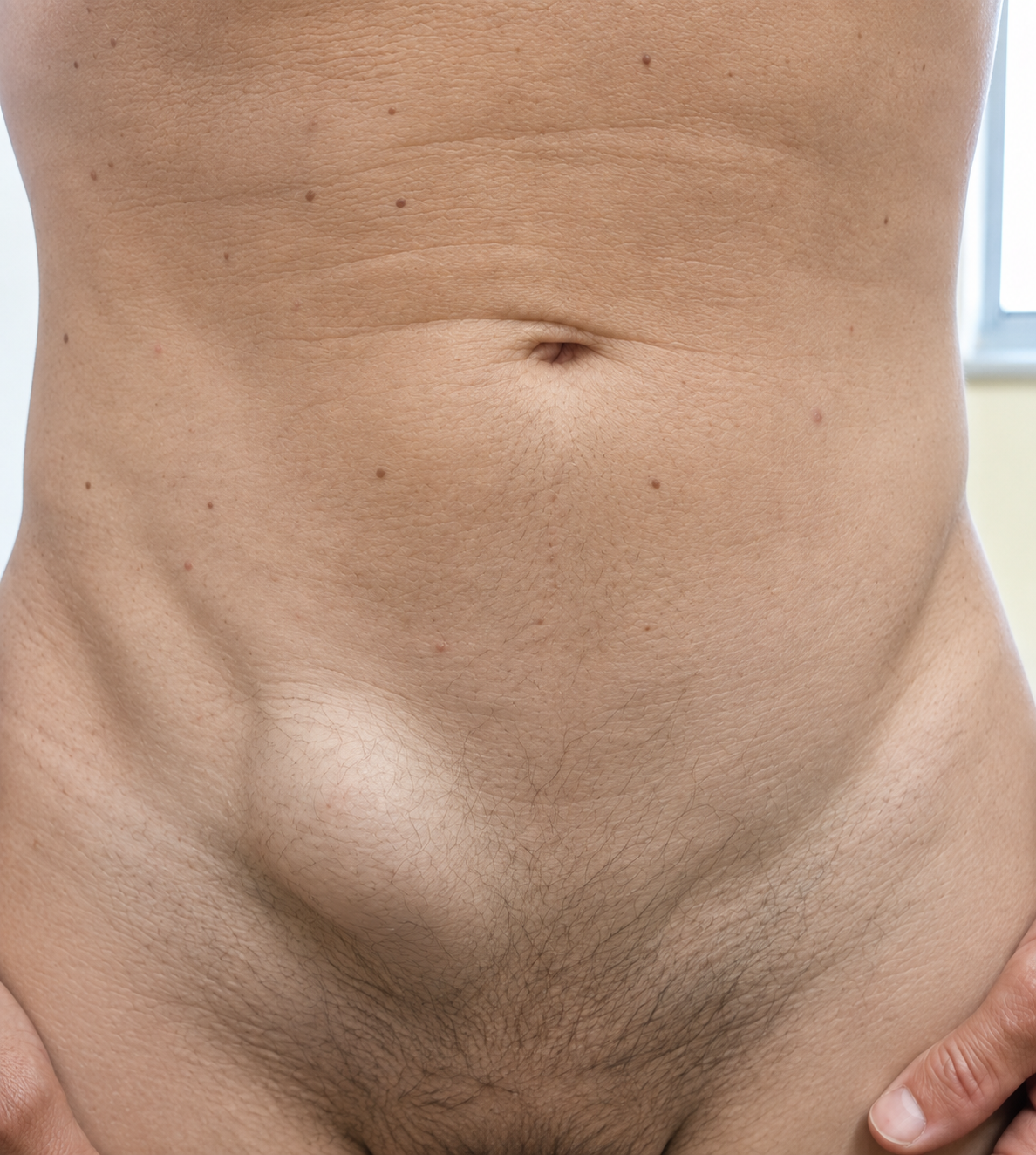
REDUCIBLE HERNIA
The contents return spontaneously when the patient lies down or can be gently returned to the abdominal cavity.
IRREDUCIBLE HERNIA
The contents remain permanently within the hernia sac and do not return.
Can the hernia extend into the scrotum?
In men, an indirect hernia may extend along the inguinal canal into the scrotum → INGUINOSCROTAL HERNIA.
In these cases, the bulge may become larger and surgery may be more complex.
Recurrent inguinal hernia
A hernia that reappears after previous surgery requires specific planning.
The following may be present:
- Scar tissue
- Previous mesh
- Altered anatomical planes
- A defect different from the original one
- Previously unidentified femoral hernia
- More extensive weakness in the region
After open surgery
In many cases, a laparoscopic or robotic approach may be considered, allowing surgery in a posterior plane not used during the first operation.
After minimally invasive surgery
An anterior open approach may be preferred, avoiding re-entry into the same scarred plane.
When does an inguinal hernia require urgent assessment?
A sudden change in the clinical picture requires prompt assessment. Warning signs:
- Sudden, severe pain
- Hard, irreducible bulge
- Rapid increase in size
- Redness or changes in the skin
- Nausea or vomiting
- Abdominal pain
- Abdominal distension
- Inability to pass stool or wind
These symptoms may indicate incarceration o strangulation of the hernia contents.
How is an inguinal hernia diagnosed?
Surgical consultation
The diagnosis is often clinical.
Assessment is performed:
Dynamic ultrasound of the groin region
Ultrasound may be useful when:
- The bulge is not clearly visible
- Pain occurs only during sport
- A small defect is suspected
- Inguinal and femoral hernias need to be distinguished
- The examination is inconclusive
The examination must be performed dynamically, during Valsalva or contraction; it must always be performed on both sides.
CT or MRI
These are not necessary for all hernias.
They may be indicated:
- In uncertain cases
- In recurrent hernias
- After previous surgery
- In athletes with groin pain but no obvious swelling
- When alternative causes need to be excluded
- When planning complex cases
When should surgery be considered?
The decision is individualised, taking into account:
Can an inguinal hernia heal on its own?
No. In adults, a true defect in the inguinal wall does not close spontaneously.
A support belt or reduced exertion may temporarily relieve symptoms, but they do not repair the anatomical defect.
Do all hernias need immediate surgery?
Not necessarily.
Hernia with few or no symptoms → a strategy of clinical observation may be discussed.
Pain, restricted activity, enlargement of the defect or complications → the indication for surgery becomes stronger.
How is an inguinal hernia repaired?
Surgery must:
- 1Identify the defect
- 2Return the hernia contents to the abdominal cavity
- 3Reinforce the groin region
- 4Reduce the risk of recurrence
- 5Preserve anatomical structures
- 6Allow functional recovery
Why is mesh used?
In most adult repairs, a prosthetic mesh is used to reinforce the area of weakness.
Mesh does not "simply plug a hole": it is placed over a wider area to distribute stresses and support the wall during healing without tension (tension free).
Where is the mesh placed?
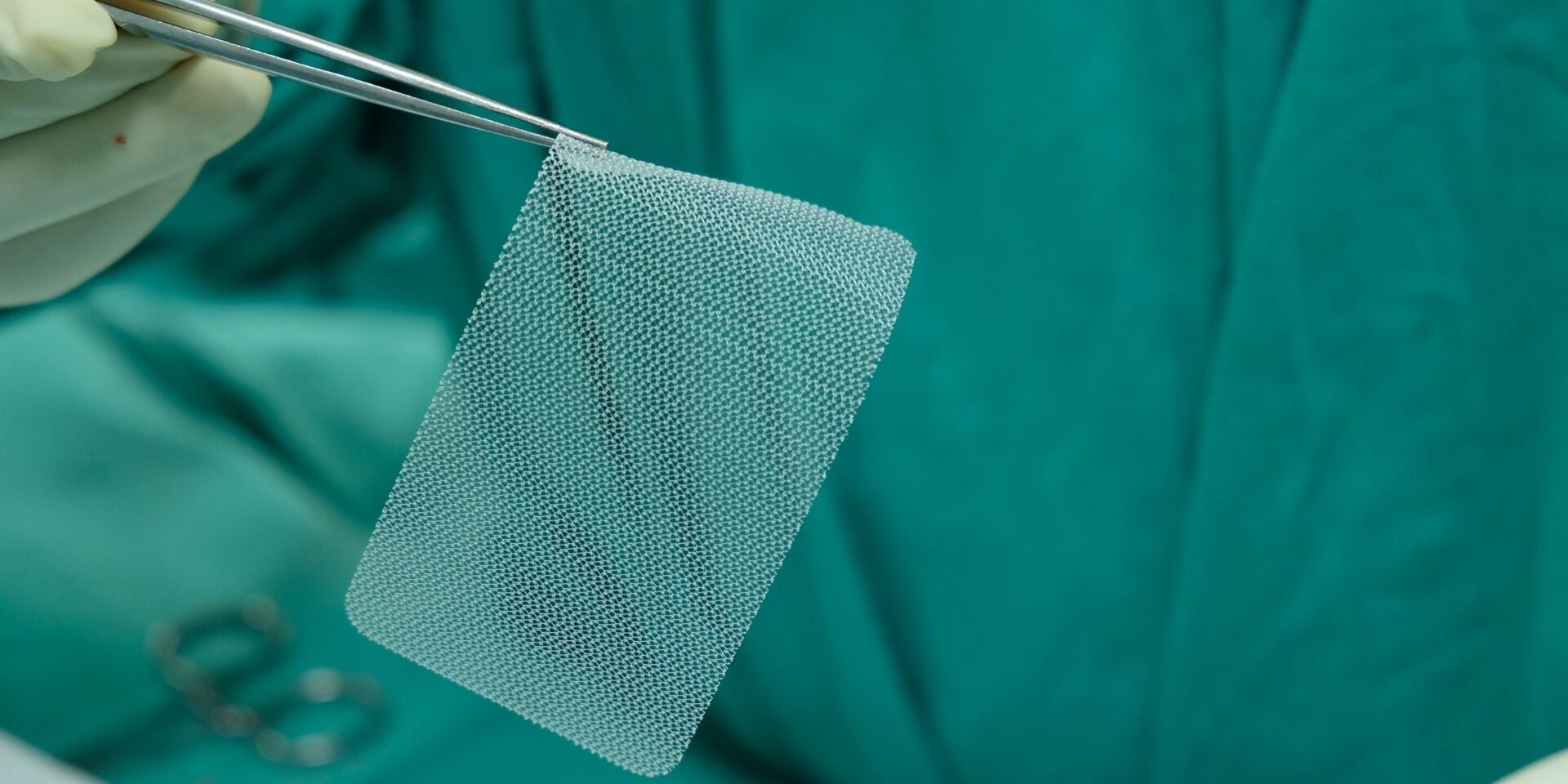
Open surgery
The mesh is generally placed through an anterior approach in the groin region.
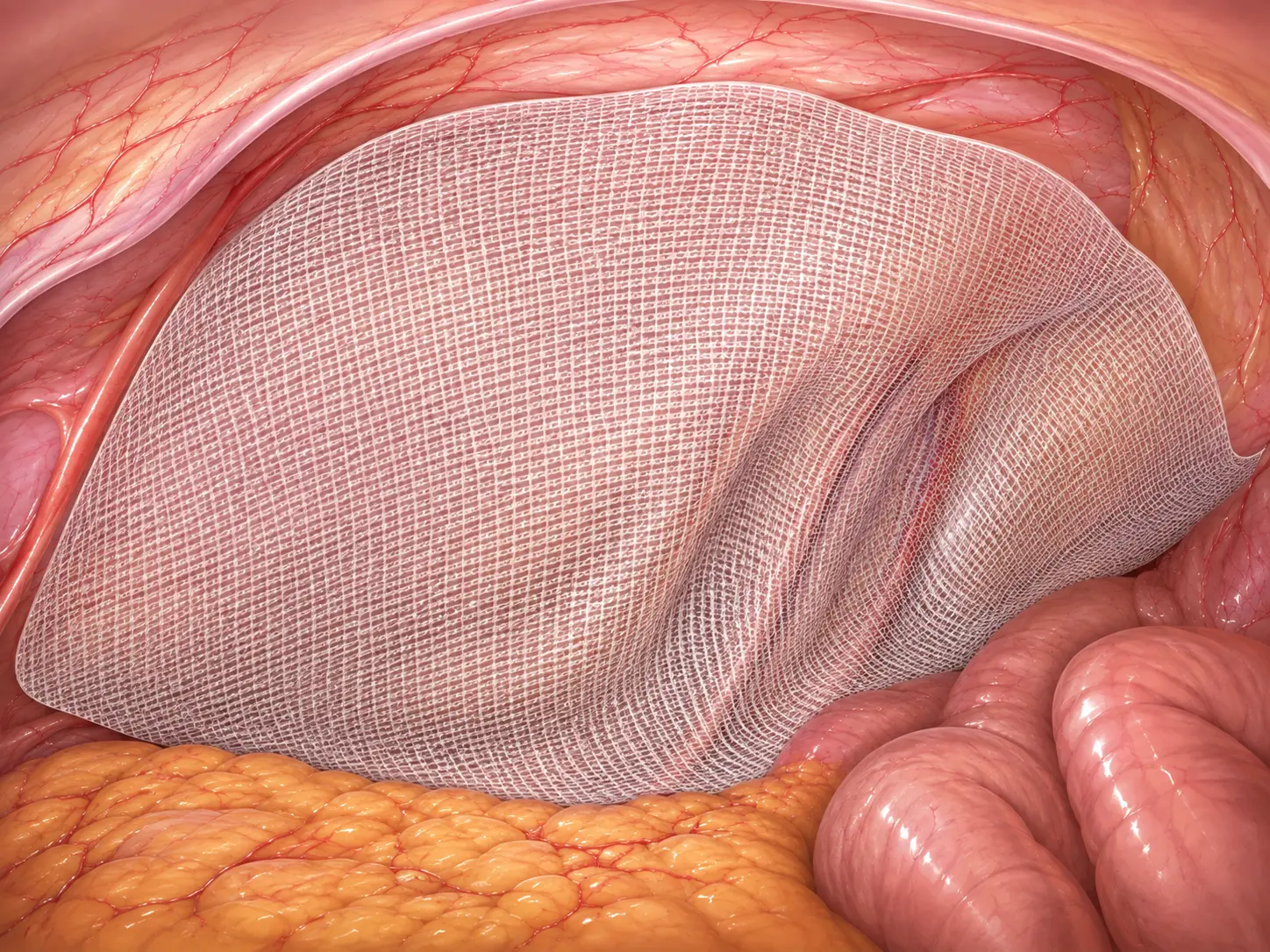
Laparoscopic or robotic surgery
Larger mesh, placed posteriorly in the preperitoneal space, covering:
- Deep inguinal ring
- Direct inguinal region
- Femoral canal
- Potential surrounding areas of weakness
The mesh remains separated from the bowel loops by the peritoneum.
Open, laparoscopic or robotic surgery
Laparoscopic surgery uses small abdominal access incisions, a camera and specialised instruments. It allows both groin regions to be viewed from within and the mesh to be placed in the preperitoneal space.
- Bilateral hernia
- Recurrence after open surgery
- Athletic patient
- Assessment of both groin regions
- Avoiding a direct groin incision
- Coexisting femoral hernia
Returning to sport after surgery
- 1From the outset
Daily activities
After minimally invasive surgery, mobilisation and resumption of daily activities take place early.
- 2Minimally invasive ~20 days · Open ~30 days
Running and aerobic activity
You can start with:
WalkingGentle exercise on a stationary bikeLow-intensity aerobic activityGradual increase in durationMinimally invasive surgeryGradual return after approximately 20 daysOpen surgeryReturn after at least approximately 30 days
- 3Minimally invasive ~30 days · Open ~40/50 days
Weights and intense training
SquatsDeadliftsAbdominal exercisesExplosive exercisesHeavy liftingshould be reintroduced gradually:
Minimally invasive surgeryAfter approximately 30 daysOpen surgeryAfter approximately 40/50 days
Rapid recovery does not mean no restrictions
Minimally invasive surgery may support an early recovery, but the return to heavy loads must be gradual and agreed with the surgeon.
Frequently asked questions about inguinal hernia
Can an inguinal hernia heal on its own?
+
No. In adults, the defect does not close on its own. The need for surgery and its timing depend on symptoms and patient characteristics.
Can I exercise with an inguinal hernia?
+
It depends on pain, size, reducibility and the type of activity. Exercises that cause pain or increased bulging should be adapted following assessment.
Does lifting weights make an inguinal hernia worse?
+
Lifting temporarily increases abdominal pressure and can worsen symptoms and increase the size of the hernia.
Does groin pain always mean a hernia?
+
No. In patients who play sport, pain may arise from muscles, tendons, the hip, athletic pubalgia or other conditions. An examination helps identify the cause.
Is mesh always needed to repair an inguinal hernia?
+
In adults, most repairs involve prosthetic reinforcement. The technique and type of mesh are chosen according to the patient and the operation.
Are ultrasound or MRI scans always necessary?
+
No. Many hernias are diagnosed clinically. Investigations are useful when the clinical picture is uncertain, the bulge is not obvious or other causes of pain need to be excluded.
Can both inguinal hernias be repaired together?
+
Yes. In patients with bilateral hernias, a laparoscopic or robotic approach generally allows both sides to be treated during the same operation.
When can I return to the gym?
+
It depends on the technique, the type of hernia and the sport practised. Light activity can be resumed earlier, while intensive running, abdominal exercises and weights should be reintroduced gradually following review.